RENOLOGIST
The Dangers of Formaldehyde and Its Impact on Health
Formaldehyde is a common harmful chemical found in building materials, furniture, and adhesives. The International Agency for Research on Cancer (IARC) classifies it as a Group 1 carcinogen, meaning long-term exposure can lead to cancers such as nasopharyngeal cancer and leukemia.
The Dangers of Formaldehyde and Its Impact on Health
Formaldehyde is a common harmful chemical found in building materials, furniture, and adhesives. The International Agency for Research on Cancer (IARC) classifies it as a Group 1 carcinogen, meaning long-term exposure can lead to cancers such as nasopharyngeal cancer and leukemia.
What is Formaldehyde?
Formaldehyde is a colorless, strong-smelling gas used in various building materials and household products. It can be found in:
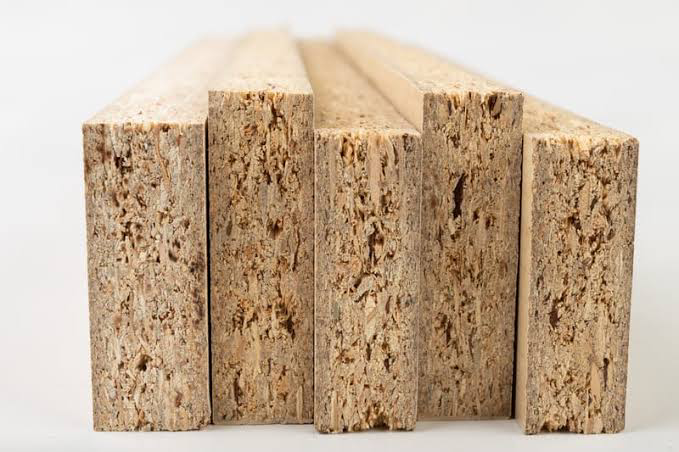
• Pressed-Wood Products: Particleboard, plywood, and fiberboard, commonly used in furniture and cabinetry.
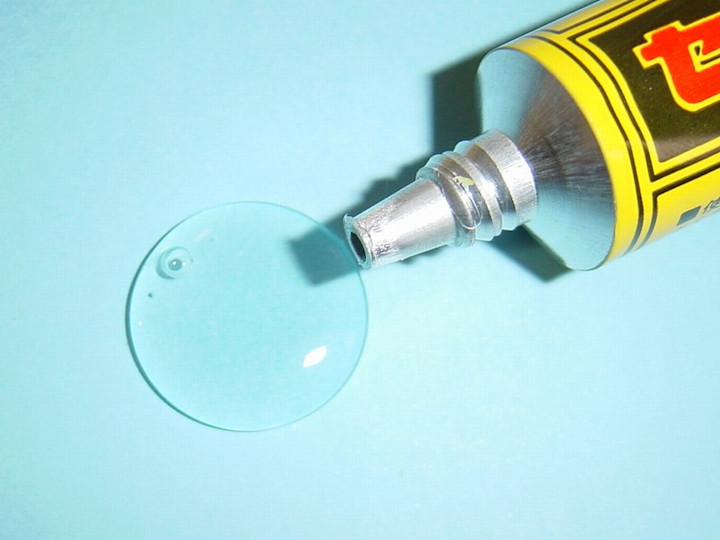
• Glues and Adhesives: Used in bonding materials like laminates and composites.
• Permanent-Press Fabrics: Found in wrinkle-resistant clothing and textiles.

• Paper Product Coatings: Used in some paper goods to improve durability.

• Insulation Materials: Certain types of insulation, particularly older varieties.
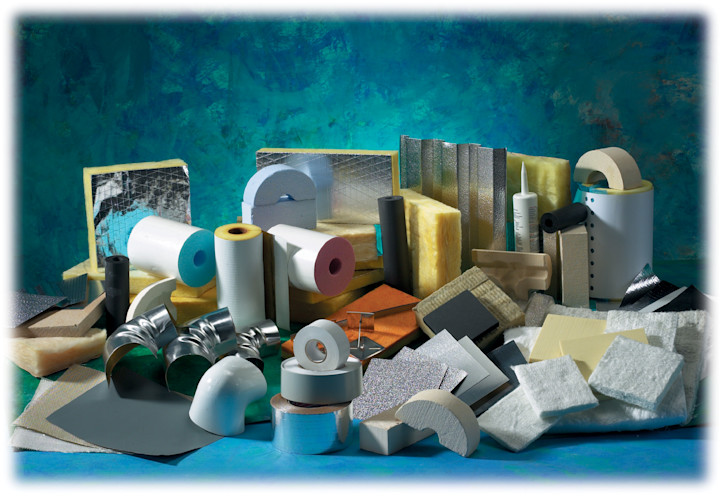
When these materials are used in new homes or buildings, formaldehyde is released into the air, especially during the initial period after installation.
Health Impacts of Formaldehyde
1. Respiratory System:
• Short-term high concentration exposure can cause breathing difficulties, bronchitis, and asthma attacks.
• Long-term exposure can lead to chronic respiratory diseases.
2. Skin and Eyes:
• Contact with formaldehyde can cause skin allergies, itching, and swelling.
• It strongly irritates the eyes, leading to redness and tearing.
3. Nervous System:
• Long-term exposure to low concentrations can affect the central nervous system, causing headaches, dizziness, and memory loss.
4. Immune System:
• Formaldehyde suppresses the immune system, potentially lowering the body’s resistance to infections.
Case in Singapore
According to Channel News Asia, many families in Singapore have experienced health issues due to formaldehyde released from wooden furniture in their homes. For example, Ena Lee’s family in Hougang suffered frequent illnesses because of formaldehyde from their wooden cabinets and bookshelves. Despite using formaldehyde-removal glue and activated carbon, they had to seek help from air quality experts to finally reduce the formaldehyde levels to a safe range.
In Singapore, the safety standard for formaldehyde concentration in indoor air-conditioned spaces is set by the Singapore Standard SS 554. According to this standard, the formaldehyde concentration should be less than 0.08 parts per million (ppm) in air-conditioned environments. This regulation aims to protect the health of occupants by minimizing the risks associated with formaldehyde exposure.
Indoor Air Quality Management
The Singapore Standard SS 554 specifies the acceptable limits for various indoor air pollutants, including formaldehyde. The key parameters include:
• Formaldehyde (HCHO): ≤ 0.08 ppm
• Total Volatile Organic Compounds (TVOC): ≤ 1.0 ppm
• Carbon Dioxide (CO2): ≤ (700 ppm + outdoor level)
• Carbon Monoxide (CO): ≤ 9 ppm
• PM2.5: ≤ 37.5 µg/m³
• PM10: ≤ 50 µg/m³
• Relative Humidity: ≤ 70%
These standards are designed to ensure that the indoor air quality in air-conditioned buildings is safe for occupants and minimizes potential health effects.
Two recent cases in Singapore highlight the significant health risks posed by formaldehyde in indoor environments.
Case 1: The Lee Family in Hougang
Ena Lee and her family moved into their new flat in Hougang and soon began experiencing frequent illnesses. Despite using various formaldehyde removal products, the problems persisted until they sought professional help. Testing revealed that the formaldehyde levels were much higher than the safe limit of 0.08 ppm for indoor air-conditioned spaces, reaching as high as 0.72 ppm in their home. After professional treatment, the formaldehyde levels were reduced to a safe range.
Click Here To The Youtube News
Case 2: The Song Family in Normanton Park
Another family experienced severe symptoms like dry eyes and sore throats after moving into their newly renovated condominium at Normanton Park. Testing revealed that the formaldehyde levels in some furniture pieces were 60 times the acceptable limit of 0.08 ppm, with one drawer reaching 4.8 ppm. Despite multiple treatments by formaldehyde removal services, the problem persisted, leading the family to remove all the furniture from their home. The family is now seeking legal action against the renovation company for the issues caused.
The National Environment Agency (NEA) in Singapore has acknowledged the problem and plans to ban formaldehyde-containing interior wall paints by 2026. They also recommend choosing eco-friendly certified paints and building materials to reduce formaldehyde emissions.
Formaldehyde poses a serious health risk, especially indoors. Raising awareness and taking effective measures to lower its concentration are crucial for protecting health.
How to Reduce Formaldehyde Exposure
1. Ventilation: Ensure good airflow in your home by opening windows and using exhaust fans, especially after using new furniture or building materials.
2. Air Purifiers: Use air purifiers with activated carbon filters to absorb formaldehyde and other volatile organic compounds (VOCs).
3. Humidity Control: Maintain low humidity levels to reduce the release of formaldehyde from materials.
4. Choose Low-Formaldehyde Products: Opt for materials and products that are labeled as low-formaldehyde or formaldehyde-free.
The best way to handle formaldehyde is to eliminate its use from the start. Opt for low-formaldehyde products in your home to minimize exposure. Formaldehyde removal services should be a secondary option, used only if necessary.
Renologist’s Commitment to Your Health
At Renologist, we prioritize your health by using low-formaldehyde materials in our projects. Our goal is to help you reduce formaldehyde in your home, ensuring you live happily and healthily. Trust Renologist to create a safer and more comfortable living environment for you and your family.
Why Reducing Formaldehyde is Crucial
Posted on Jul 30, 2024, updated 10 months ago.